Get Masonry Tuckpointing in Seattle, WA
Masonry Tuckpointing services help Seattle property owners repair and restore brick and stone walls, chimneys, or facades by fixing cracked, deteriorated, or damaged mortar joints.
Masonry tuckpointing is a practical service for property owners in Seattle, WA who want to preserve the integrity and appearance of their brick and masonry structures. Over time, mortar joints can deteriorate due to weather exposure, leading to potential structural issues or aesthetic concerns. Exploring professional tuckpointing options ensures that your building’s exterior remains durable and visually appealing, especially in a climate that can be tough on masonry materials. Property owners may consider this work as part of ongoing maintenance or when planning renovations, making it a valuable step in safeguarding their investments.
For those evaluating local options, understanding the range of masonry contractors available can help in making informed decisions. Many experienced service providers in the Seattle area specialize in tuckpointing, offering the skills needed to match existing mortar and restore the brickwork effectively. Comparing different local contractors can provide insights into their expertise and approach, ensuring the project aligns with specific property needs. Continuing to explore these options can lead to finding a dependable partner capable of handling the work with attention to detail and quality.
- Brick or stone wall repair - when mortar joints are cracked or deteriorating in historic neighborhoods like Capitol Hill.
- Chimney tuckpointing - to restore stability and appearance after years of exposure to weather elements.
- Foundation wall restoration - when signs of settling or cracking appear along basement or crawl space walls.
- Facade restoration - to improve curb appeal and prevent water intrusion on aging building exteriors.
- Outdoor fireplace or patio repair - when mortar joints are crumbling in backyard masonry features.
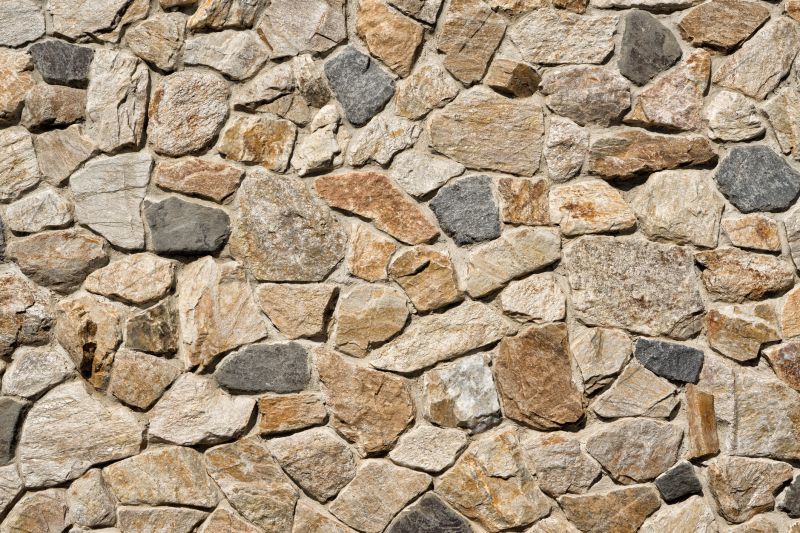
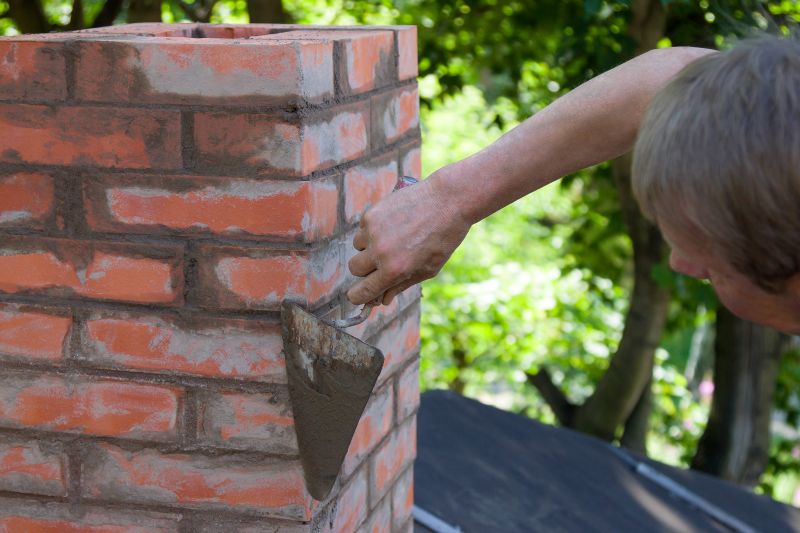
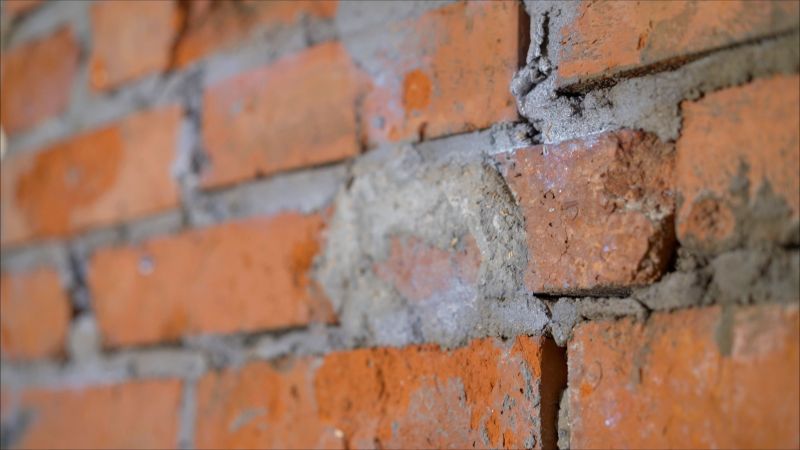
Masonry tuckpointing services involve carefully repairing and restoring the mortar joints between bricks or stones in a building’s exterior. Over time, exposure to weather conditions such as rain, snow, and temperature fluctuations can cause mortar to crack, crumble, or deteriorate. Skilled contractors remove the damaged mortar and replace it with fresh, matching material, which helps preserve the structural integrity and appearance of the masonry. This process not only enhances the look of the property but also prevents further damage that could lead to more costly repairs in the future.
Tuckpointing is especially effective in addressing common masonry problems like crumbling mortar, gaps between bricks, and signs of water infiltration. When mortar joints weaken, water can seep into the walls, leading to issues such as mold, interior damage, or even structural instability. Repairing these joints through tuckpointing helps create a weather-tight seal, protecting the property from moisture intrusion and reducing the risk of further deterioration. It’s a practical solution for homeowners noticing loose or missing mortar, cracks, or staining on their brick or stone exteriors.
This service is frequently performed on a variety of property types, including historic homes, commercial buildings, and residential residences. Older properties with original masonry often require tuckpointing to maintain their appearance and stability. Additionally, newer buildings may benefit from tuckpointing as part of routine maintenance or renovation projects. Whether a property is a single-family home or a multi-unit complex, professional tuckpointing can help extend the lifespan of the masonry and improve curb appeal.
Homeowners who observe signs such as cracked, crumbling, or missing mortar, as well as water stains or efflorescence on their brickwork, should consider professional tuckpointing services. This work is also recommended if there are visible gaps or if bricks are shifting or sagging. By addressing these issues early, property owners can prevent more extensive damage and keep their masonry structures secure and attractive. Connecting with experienced local contractors ensures that the repair work is performed correctly and that the property’s exterior remains durable and visually appealing.
The overview below groups typical Masonry Tuckpointing projects into broad ranges so you can see how smaller, mid-sized, and larger jobs often compare in Seattle, WA.
In many markets, a large share of routine jobs stays in the lower and middle ranges, while only a smaller percentage of projects moves into the highest bands when the work is more complex or site conditions are harder than average.
Smaller Repairs - Typical costs for minor tuckpointing projects, such as fixing small cracks or damaged mortar, generally range from $250 to $600. Many routine jobs fall within this middle range, depending on the extent of the work needed.
Medium-Scale Projects - For larger sections of repointing or restoring brickwork on a single wall, local pros usually charge between $600 and $2,000. These projects are common for homeowners seeking to improve appearance and structural integrity.
Full Masonry Restoration - Complete tuckpointing or restoring multiple walls can cost from $2,000 to $5,000 or more. While fewer projects reach this high tier, larger, more complex jobs often fall into this range.
Full Replacement or Extensive Repairs - Complete masonry replacement or extensive structural repairs can exceed $5,000, depending on the size and condition of the project. These higher costs are less common and typically involve significant work by local contractors.
Actual totals will depend on details like access to the work area, the scope of the project, and the materials selected, so use these as general starting points rather than exact figures.
Brick and Stone Repair - Local contractors skilled in masonry repair can handle restoring damaged brick and stonework, utilizing similar techniques and tools as tuckpointing to ensure structural integrity.
Chimney Repointing - This project involves removing deteriorated mortar and replacing it, requiring expertise in masonry and careful planning akin to tuckpointing services.
Foundation Wall Restoration - Repairing and reinforcing foundation walls often involves masonry skills, including mortar matching and surface preparation similar to tuckpointing work.
Facade Restoration - Restoring building facades with brick or stone veneer involves detailed masonry work and surface finishing comparable to tuckpointing services.
Fireplace Masonry Repairs - Repairing or restoring fireplaces requires masonry skills, including mortar work and surface detailing similar to tuckpointing techniques.
Concrete Masonry Work - Installing or repairing concrete block walls involves masonry planning and tools that align closely with those used in tuckpointing projects.
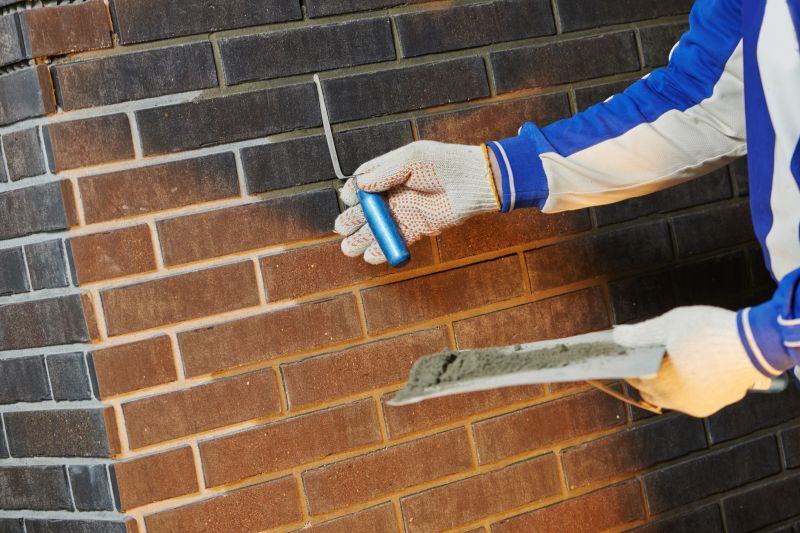
When evaluating masonry tuckpointing service providers in the Seattle area, it’s important to consider their experience with similar projects. Homeowners should look for local contractors who have a proven track record of handling projects comparable in scope and style to their own. This can provide insight into the contractor’s familiarity with the specific challenges that may arise and their ability to deliver quality results. Asking for examples of past work or references related to similar projects can help gauge their expertise and ensure they have the necessary skills to meet expectations.
Clear, written expectations are essential to avoid misunderstandings and ensure the project proceeds smoothly. Homeowners should seek service providers who can offer detailed descriptions of the work scope, materials, and methods they plan to use. Having these expectations documented helps both parties stay aligned and provides a reference point throughout the project. It’s beneficial to clarify what is included and what is not, so there are no surprises once the work begins. Well-defined expectations contribute to a more transparent process and a final result that matches the homeowner’s vision.
Reputable references and effective communication are key factors when comparing local contractors for tuckpointing services. Homeowners should ask for references from previous clients, especially those who had similar work done, to gain insights into the contractor’s reliability and quality of work. Good communication involves timely responses, clear explanations, and a willingness to address questions or concerns. Contractors who maintain open lines of communication tend to foster a more positive working relationship and help ensure the project stays on track. Remember, the site introduces homeowners to local options but does not perform the work itself, so choosing a dependable, experienced, and communicative service provider is vital for a successful project.
Property owners in Seattle, WA use Masonry Tuckpointing services for practical projects around their homes and businesses. This guide focuses on everyday jobs and straightforward project options.
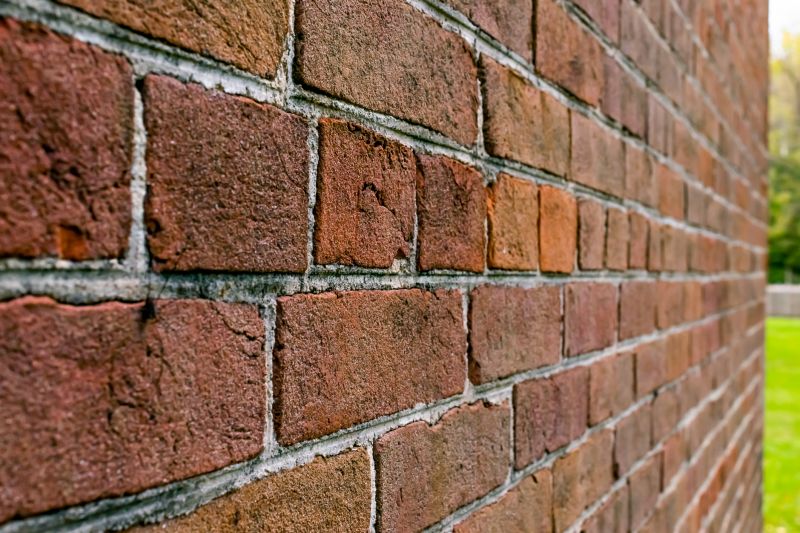
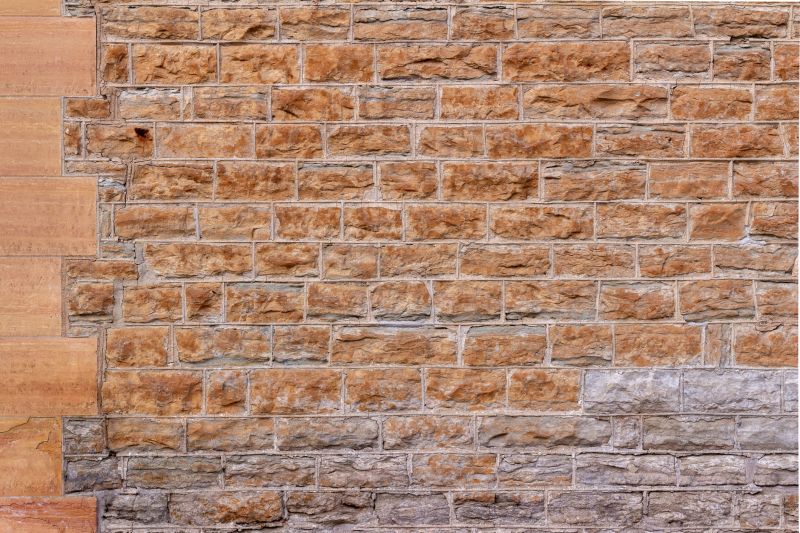
Masonry tuckpointing services are often needed when brick or stone walls show signs of deterioration, such as crumbling mortar joints or visible cracks. Property owners in Seattle, WA, might seek these services to address issues caused by weather exposure, age, or settling, helping to prevent further damage and maintain the structural integrity of buildings. Whether for restoring the appearance of a historic home or repairing a commercial façade, local contractors can provide the expertise needed to carefully remove damaged mortar and replace it with fresh material that matches the existing work.
Additionally, property owners may look for tuckpointing to improve curb appeal or comply with maintenance standards. Over time, mortar can become stained or uneven, detracting from the overall look of a property. Local service providers can help refresh brickwork, making it look cleaner and more polished. This type of work is common for those maintaining older properties or preparing a building for sale, ensuring that the masonry continues to serve its purpose while looking its best.
What is tuckpointing in masonry? Tuckpointing is a technique used to repair and restore the mortar joints between bricks or stones, improving both the appearance and structural integrity of masonry walls.
Why should I consider tuckpointing services? Tuckpointing helps prevent water infiltration, reduces damage caused by weather, and maintains the durability of masonry surfaces in homes and buildings.
How do local contractors perform tuckpointing work? Skilled masonry professionals carefully remove damaged mortar and replace it with fresh mortar that matches the existing joints, ensuring a seamless and durable finish.
What types of masonry surfaces can be tuckpointed? Tuckpointing can be applied to various surfaces, including brick walls, chimneys, and stone facades, to enhance their appearance and longevity.
How can I find qualified masonry contractors for tuckpointing? The website helps connect homeowners with experienced service providers in the area who specialize in tuckpointing and masonry repairs.
Masonry Tuckpointing for Historic Homes - Preserving the appearance of older brick buildings by repairing worn mortar joints helps maintain their charm and character.
Brick Wall Restoration - Repairing damaged or deteriorated mortar can improve the stability and safety of exterior brick walls on residential or commercial properties.
Chimney Tuckpointing - Replacing or renewing mortar around chimneys can prevent leaks and structural issues, extending the lifespan of the chimney system.
Foundation Wall Repair - Tuckpointing can be used to address cracks or deterioration in foundation walls, helping to prevent further damage and maintain property integrity.
If you are thinking about Masonry Tuckpointing for a property in Seattle, WA, this guide is meant to help you understand the work, the typical project types, and how different options might fit your plans.
When you are ready, you can use the quote form on this page to share a few details about your project. From there, local pros can review the basics and respond with options that match what you have in mind.